

Dublin leaders urge AI strategy as adoption outpaces plans
Tue, 7th Jul 2026
Dell Technologies and the Institute of Directors Ireland brought together more than 140 senior business leaders and board members in Dublin to discuss artificial intelligence and competitiveness. The event focused on Ireland's role in the responsible development and deployment of AI across Europe.
The gathering highlighted a widening gap between AI adoption and formal planning inside organisations, even as business leaders rank the technology high on the agenda. Research cited by IoD Ireland found that 78% of respondents consider AI important or critical to competitiveness in their sector, while 61% of organisations have implemented AI to some degree.
Only 33% have a formal AI strategy in place. That mismatch was central to the discussion among executives and board members, who examined how organisations can move beyond experimentation and deliver measurable business results.
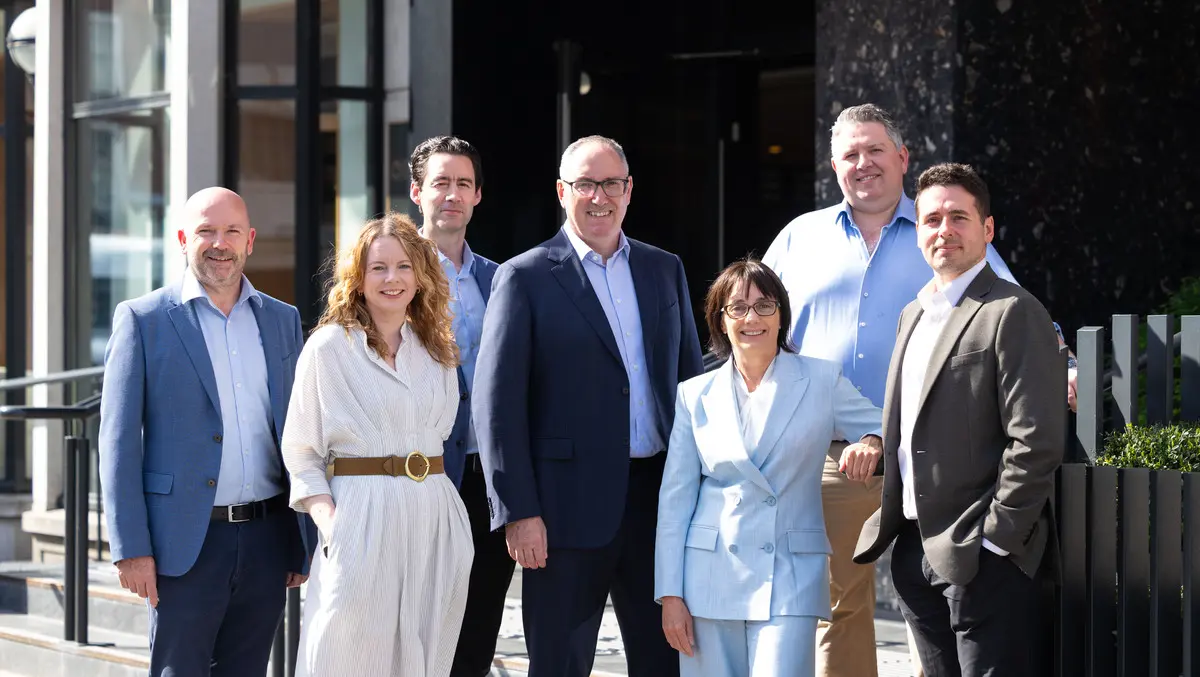
The panel included Mary O'Connor, Chief Information Officer at ESB; Dr Barry Scannell, member of the Government's AI Advisory Council and partner at William Fry; and Neil Bowden, AI Business Development Executive at Dell Technologies. David Codd, non-executive director, moderated.
Participants linked the debate to a broader question about Ireland's economic position in Europe and the governance structures needed as AI use expands. The focus was not only on adoption, but also on board oversight, accountability and trust.
Colin Boyd, Data Centre Solutions Sales Director at Dell Technologies Ireland, addressed the event.
"AI isn't a future concept anymore, it's a boardroom priority. As Ireland takes up the EU Presidency, we've a real chance to show leadership in how AI is developed, governed and deployed responsibly, and to future-proof our own economy while we're at it. One thing came through loud and clear: the conversation among Irish business leaders has shifted. It's no longer about whether you've adopted AI, but how well you're turning it into real business value. The businesses seeing the greatest returns aren't adopting AI for its own sake. They're using it to solve real challenges and are driving productivity, empowering people, and unlocking new revenue," Boyd said.
His comments reflect a broader shift in how companies are approaching AI. Early-stage trials remain common, but boards are increasingly under pressure to decide where the technology fits into long-term operating plans, risk frameworks and investment priorities.
Strategy gap
IoD Ireland's figures suggest many organisations have moved into implementation before setting out a formal strategy. That can leave directors addressing questions of governance, accountability and resilience after deployment has already begun.
For board members, the issue is becoming harder to treat as a specialist technology matter. As AI tools spread into customer service, internal operations, compliance and decision-making, oversight is moving into the mainstream of corporate governance.
Its work in this area includes an AI Governance Toolkit designed to help directors strengthen board oversight. IoD Ireland framed governance as a practical issue for boards seeking to balance the commercial benefits of AI with public trust.
Caroline Spillane, Chief Executive of IoD Ireland, also spoke about the findings and the need for governance.
"AI is increasingly recognised by Irish leaders as a key driver of competitiveness. As Ireland commences the EU Presidency, it is encouraging to see competitiveness at the heart of the agenda. Effective AI governance will be critical to ensuring organisations can realise the benefits of AI while maintaining public trust and resilience. Through our AI Governance Toolkit and partnerships, such as this with Dell Technologies, we help directors strengthen AI oversight and equip boards to lead confidently in a rapidly evolving landscape," Spillane said.
Board focus
The event brought together executives from technology, energy, legal and board advisory backgrounds, underlining how far AI discussions have spread beyond specialist digital teams. The presence of senior directors and board members also pointed to a shift in decision-making, with AI now treated as a matter of competitiveness and governance at the top of organisations.
Dublin has become a regular venue for these debates as Irish companies weigh how quickly to adopt AI tools and how to govern them. For many businesses, the challenge is no longer access to the technology, but deciding where it creates value, what controls are needed and who is responsible for outcomes.
The discussion suggested this next phase will depend less on broad enthusiasm for AI and more on whether organisations can connect adoption to clear strategy. The fact that only a third of organisations have a formal AI strategy remains a stark measure of that gap.