

OpenAI adds shopping tools to ChatGPT with visual discovery
Wed, 25th Mar 2026
OpenAI has introduced a new shopping experience in ChatGPT, adding more visual product discovery tools across its service tiers.
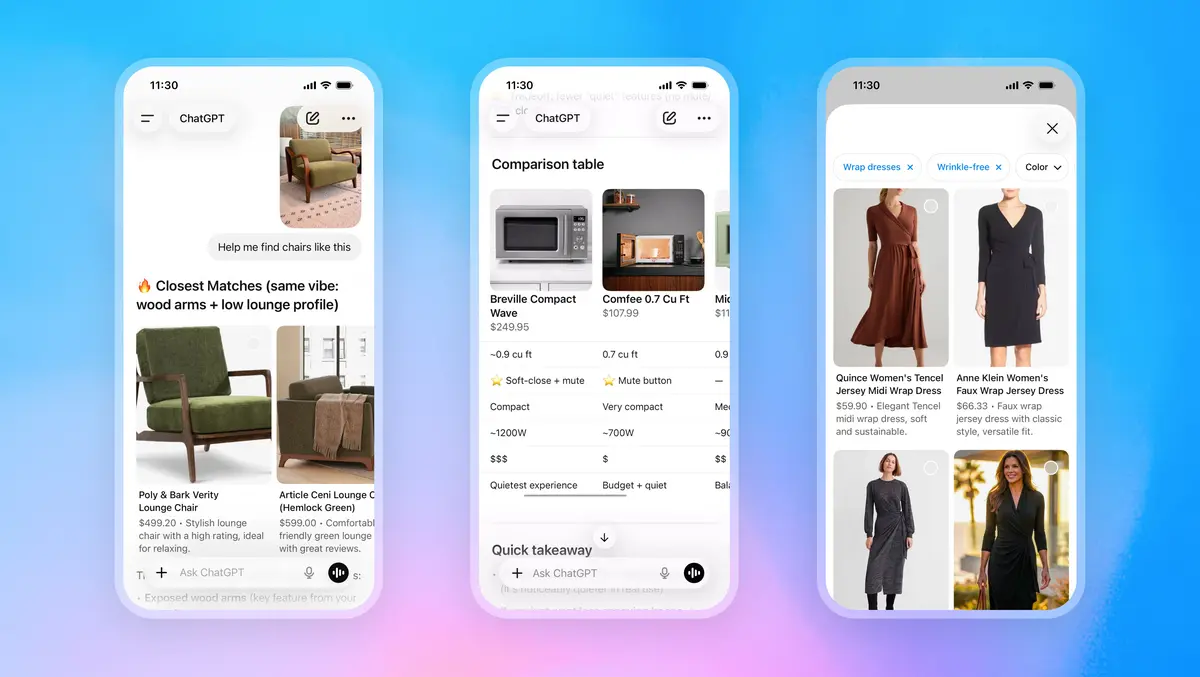
The update lets users browse products visually, compare items side by side, and view updated product information within the chatbot. It is rolling out to ChatGPT Free, Go, Plus and Pro users.
OpenAI is linking the update to an expansion of its Agentic Commerce Protocol, or ACP, which brings product data from merchants into ChatGPT. The protocol now supports product discovery and is meant to improve the quality and freshness of product information shown in responses.
The move reflects a broader effort by AI groups to turn conversational assistants into starting points for online shopping. Instead of sending users to conventional search pages or long lists of links, companies are increasingly trying to keep product comparison and decision-making inside chat interfaces.
Shopping shift
OpenAI says more consumers are beginning their purchasing journey in ChatGPT, using the tool to explore products, compare options and narrow down what to buy. The new interface is aimed at shoppers who have not settled on a specific item and want to refine their search through conversation.
Users can describe what they want, set limits such as budget or preferences, and adjust results through follow-up prompts. The update also includes image-based discovery, allowing users to upload pictures as inspiration for similar products.
Product comparisons are now presented in a side-by-side format with information such as price, reviews and features. The goal is to reduce the need to switch between websites and comparison pages while evaluating options.
Merchant data
A central part of the change is access to merchant data inside ChatGPT. The expanded protocol delivers more complete and current product information directly from merchants, with the aim of making shopping responses more relevant and useful.
That merchant link matters because AI shopping tools have faced questions about whether they can provide current pricing, stock details and product specifications reliably enough to support purchasing decisions. By pulling in merchant-supplied data, OpenAI appears to be trying to reduce gaps between conversational recommendations and the information consumers would usually verify on retailer websites.
OpenAI also says it has improved speed, relevance and product coverage in the shopping experience. Those changes suggest it is trying to address a main weakness of AI-led discovery tools: the risk that results may be incomplete, outdated or too generic to replace established search and marketplace habits.
Commerce ambitions
OpenAI describes ACP as a foundation for broader AI-native commerce services over time, including personalisation, local availability and estimated delivery times. Those areas are central to whether conversational shopping becomes a practical alternative to traditional eCommerce journeys, especially for users making purchase decisions that depend on location, timing and individual preferences.
For merchants, the new approach could put products in front of users who are closer to making a purchase. That points to a potential shift in how retailers and brands think about customer acquisition if large language model interfaces become a meaningful source of shopping traffic.
The update also shows how generative AI providers are pushing into functions once dominated by search engines, review publishers and eCommerce marketplaces. Product discovery has long depended on keyword search, sponsored placements and affiliate-led recommendation lists. A conversational interface that can narrow options and present comparisons in one place could alter that chain, even if users still complete purchases elsewhere.
Questions remain about how such systems rank products, which data sources they prioritise and how merchants secure visibility within AI-generated recommendations. OpenAI did not outline those mechanics in the announcement, but its emphasis on direct merchant data indicates that access to structured product feeds may become more important as shopping shifts into chatbot interfaces.
The shopping updates are rolling out across OpenAI's user base this week as the company continues to invest in product discovery inside ChatGPT.