

.webp)
Vistar Media has published research on the effect of store locators in digital out-of-home advertising. The study was conducted in the Netherlands with Omnicom Media and Annalect.
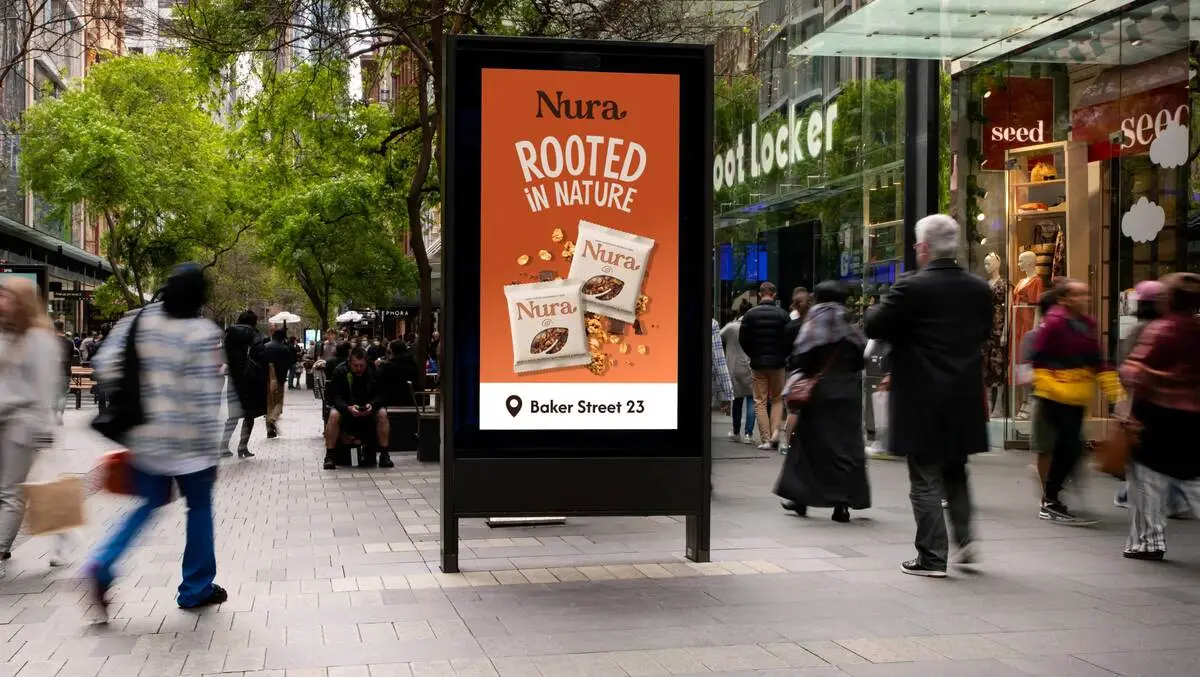
The findings suggest that adding store location information to programmatic digital out-of-home adverts can increase visit and purchase intent, although the effect varied by placement, design and product category.
Researchers tested four versions of an advert: a control with no store locator, and three alternatives placing the locator at the top, middle or bottom of the screen. The study covered campaigns in retail, quick-service restaurants and consumer packaged goods. It measured visit intent for retail and restaurant ads, and purchase intent for consumer goods.
Top and bottom placements performed better than the middle position across the study. Store information placed in the centre of the creative was more likely to compete with headlines and imagery, making it easier for viewers to miss.
Differences between categories were also pronounced. In consumer packaged goods campaigns, a top-positioned store locator produced the strongest overall lift in purchase intent, at 20% above the control. In retail and quick-service restaurant campaigns, bottom placement delivered the strongest overall increase in visit intent, at 9% above the control.
The largest effect came in impulse-buy consumer packaged goods such as sweets and chocolate. In that segment, purchase intent rose by more than 110%, suggesting location cues may be particularly influential when buying decisions are made quickly.
Design choices
Design also influenced results regardless of where the store information appeared. Using a familiar location pin increased visit intent by 16%, while stronger visual contrast between the store information and the rest of the advert lifted visit or purchase intent by 10%, depending on category.
Researchers also examined the effect of including another brand within the locator, such as a supermarket, retailer or dealership name. The findings suggest that this branding divided attention between the advertised brand and the reseller, which may affect campaigns focused on brand recognition.
The study was based on a forced-exposure survey of 7,200 consumers in the Netherlands aged 18 to 59. Participants were randomly shown a vertical outdoor screen creative in one of the test formats.
The work was carried out by Vistar Media's Creative Studio with Omnicom Media and Annalect. It also tracked brand recognition, brand appreciation and ad appreciation alongside the main intent measures.
Martine Hammink, VP, Creative Studio & Creative Solutions, Vistar Media, said: "This research shows that small creative decisions, like where a store locator sits and how it's designed, have a quantifiably meaningful effect on how audiences respond. When thoughtfully considered, a simple store locator becomes a measurable driver of consumer intent."
Hammink added: "It's not a one-size-fits-all approach, but we hope this study gives brands and creative teams real evidence to make their creative outdoor advertising decisions more intentional and impactful."
Roos Goesz, OOH Director, Omnicom NL, said: "With Programmatic DOOH and DCO, we can deliver outdoor ads far more efficiently at the right place, time, and moment. That means better visibility, attention, and engagement. This study gives us the solid backing and real insights we need. Seeing how dynamic solutions like store locators perform lets us shift from 'using potential' to 'proving real value'."