

Social media boosts Irish political engagement, survey finds
Thu, 10th Sep 2026 (Today)
Pure Telecom has published research on how social media is shaping political engagement in Ireland. The survey found that 30% of adults said social media had made them more engaged in politics.
The study, carried out by Censuswide among 1,000 adults in Ireland, found a marked age divide as well as broader unease about the influence of online platforms on political opinion.
Among people aged 18 to 24, 45% said social media had made them more politically engaged. At the same time, 58% in that age group said social media has too much influence on people's political opinions, compared with 43% of adults overall.
The findings suggest social platforms are also prompting some users to take action offline. Nearly one in five adults, or 18%, said social media had motivated them to attend a protest in the past 12 months, while 22% said it had encouraged them to vote and the same share said it had led them to register to vote.
A further 28% said something they had seen online had prompted them to learn more about a political or social issue. One in four said social media had motivated them to donate to a charity.
The research also found signs of scepticism and caution. While 30% said social media had made them more interested in politics and social issues, 19% said it had made them less interested.
Influence and trust
More than a quarter of adults, or 26%, said their views on political and social issues are influenced by posts from friends or people they follow. That rose to 46% among 18- to 24-year-olds.
By contrast, 46% of adults said they are not influenced by political content in their social media feeds. Meanwhile, 30% disagreed that social media has too much sway over political discourse.
Using social media as a source of news appears to sit alongside low trust in the political information shared there. Around one in three adults said they use social media as a news source, but only 19% said they generally trust information they see there about politics, world news or social issues.
Many users also said they take steps to verify what they see. The survey found that 41% fact-check political posts before forming an opinion.
Self-censorship online
The data also points to a reluctance among many users to discuss politics publicly on social platforms. Only 24% of adults said they express their political views on social media.
A larger group, 41%, said they avoid posting opinions on political or social issues online altogether because they fear causing conflict. That concern also appears to shape how users manage their online networks.
Nearly a third of adults who use social media, 31%, said they had unfollowed or blocked someone in the past 12 months because of views that person had expressed online. Among 25- to 34-year-olds, that figure rose to 40%.
The survey also found that 32% of adults do not want to follow or be friends with anyone whose political opinions they strongly disagree with. Taken together, those figures suggest political discussion on social media may be narrowing personal networks rather than broadening debate.
The gender split on protest activity was also notable. Some 23% of men said social media had inspired them to join a protest in the past year, compared with 14% of women.
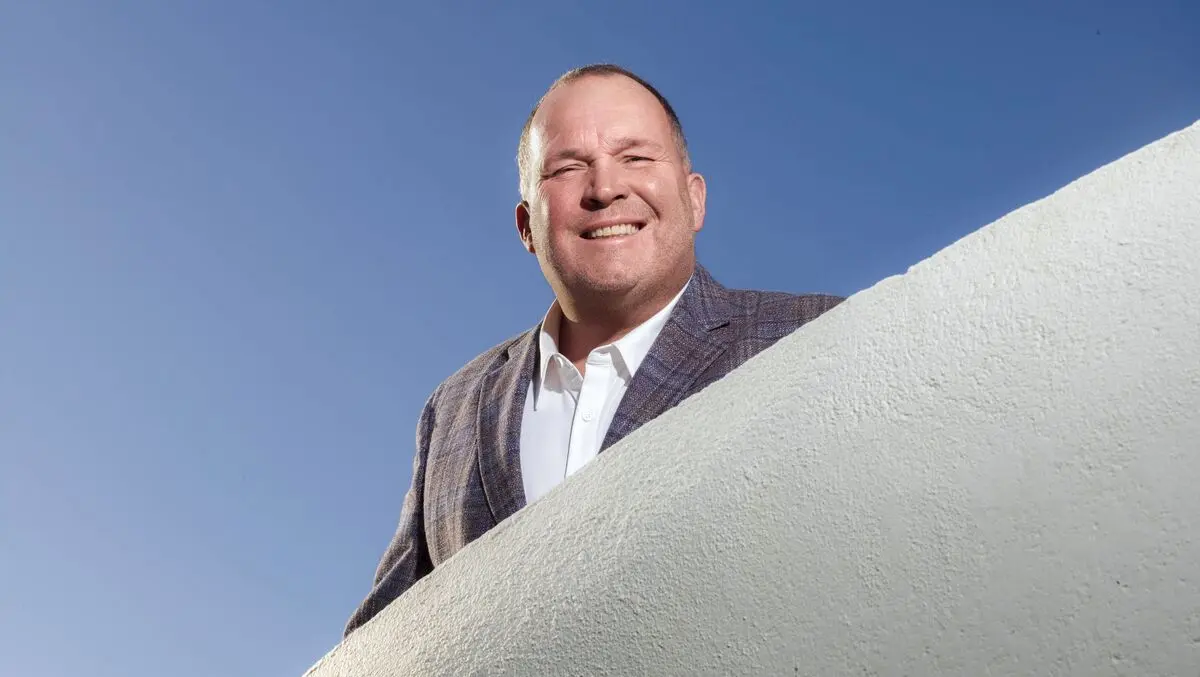
Paul Connell, chief executive officer of Pure Telecom, said: “Social media is firmly embedded in how people in Ireland consume political information, form opinions and decide whether, or not, to engage. Our research shows that this influence has a clear generational element. Younger adults are more likely to be engaged by what they see online, but they are also more likely to fact-check it and be wary of the influence social media has on public opinion more broadly. While social media can help people become more engaged in politics or social issues, our research shows that it can also reinforce existing beliefs rather than help people understand opposing opinions. Clearly, social media users are wary of alienating their friends and followers by posting about political or social issues, as the clear majority of adults don't do it for fear of losing followers and even being blocked.”