

Most Chartered Accountants use AI weekly, survey finds
Fri, 20th Nov 2026 (Today)
Chartered Accountants Worldwide has found that 83% of working Chartered Accountants now use artificial intelligence at least weekly, pointing to rapid uptake across the profession.
The Ipsos research surveyed 2,925 Chartered Accountants and students across 12 professional accountancy institutes, including 139 members and students from Chartered Accountants Ireland. It found that 41% of working accountants use AI daily, while 86% said their use of the technology had increased over the past 12 months.
Most respondents also reported a favourable effect on their work. Some 85% said AI was enhancing their work, while 82% believed it was having a positive impact on their role.
Efficiency featured strongly in the findings. Some 60% of AI users said the technology helped them work more effectively and efficiently, rising to 71% among those using agentic AI.
At the same time, the study suggested that training and internal structures have not kept pace with adoption. Only 43% said they had received AI-related training through their organisation, while 54% described AI adoption within their organisation as ad hoc or emerging.
Skills gap
The results point to a profession that sees technical judgement and oversight as increasingly important alongside automation. Asked which skills mattered most in the age of AI, 71% identified critical thinking as very important, followed by professional scepticism at 67% and data privacy and security at 66%.
That emphasis reflects concern that greater use of AI will change how accountants work rather than reduce the need for human input. The survey found that 44% were spending more time interpreting data and translating financial insights into business decisions, while 38% were spending more time on strategic advice and business advisory services.
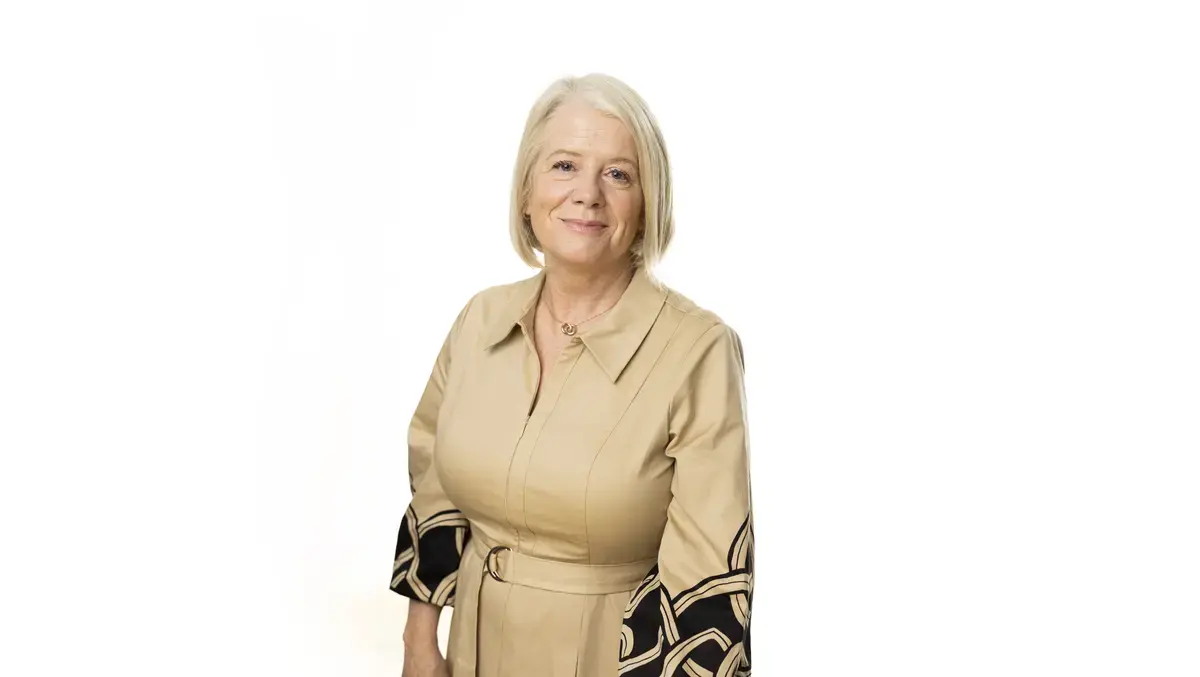
Rosemary Keogh, Chief Executive Officer of Chartered Accountants Ireland, said: "The research demonstrates just how quickly AI is becoming part of the Chartered Accountancy profession. There is strong enthusiasm for the opportunities it presents, from improving efficiency and productivity to allowing Chartered Accountants to focus more on strategic advice and supporting business decisions.
"Adoption alone is not enough, however. We need to ensure that members have the skills and confidence to use AI effectively, understand its limitations and apply the professional judgement that is fundamental to our profession. Training must keep pace with adoption, and professional bodies have an important role to play in providing practical guidance and support."
The findings also align with separate results from the Chartered Accountants Leinster Society Salary Survey, which showed growing use of AI among accountants in Ireland. That survey found that 53% of respondents used AI in some form in their day-to-day work, up from 28% in 2025.
Views on the technology among Irish respondents were broadly positive. More than half, 55%, said AI represented a significant opportunity for the profession, while 57% said it would allow Chartered Accountants to move further up the value chain. Two-thirds expected AI to have a positive impact on their careers, while 13% anticipated a negative effect.
Training changes
The global survey also raised questions about how junior accountants should be trained. While 86% said trainees still needed hands-on technical accounting experience to learn their role, 84% expected training programmes for junior accountants to change significantly because of AI.
That presents a challenge for professional bodies and employers as they update qualifications and workplace learning. Some 42% of respondents were looking to their professional body for specialised AI training and certifications, while 41% wanted practical guidance specific to accountancy.
Keogh said: "For over a decade we have been repositioning our ACA student education offering to produce the professionals that modern businesses need. Our students are trained to embrace the opportunities presented by AI while maintaining the professional and ethical standards that underpin our work.
"Similarly, members who are more advanced in their career path have access to our new Certificate in AI Foundations, as well as a range of ethical resources providing practical guidance on the responsible use of AI. We are ensuring that Irish businesses, particularly SMEs, have the support to adopt AI effectively and responsibly. This work reflects the priorities identified in the global research, with 42% of respondents looking to their professional body for specialised AI training and certifications, and 41% seeking practical guidance specific to accountancy."
Chartered Accountants Ireland represents more than 40,000 members and 8,600 students. The survey also included nine in-depth interviews with experienced Chartered Accountants, and its findings were described as indicative of respondents rather than representative of the entire profession.